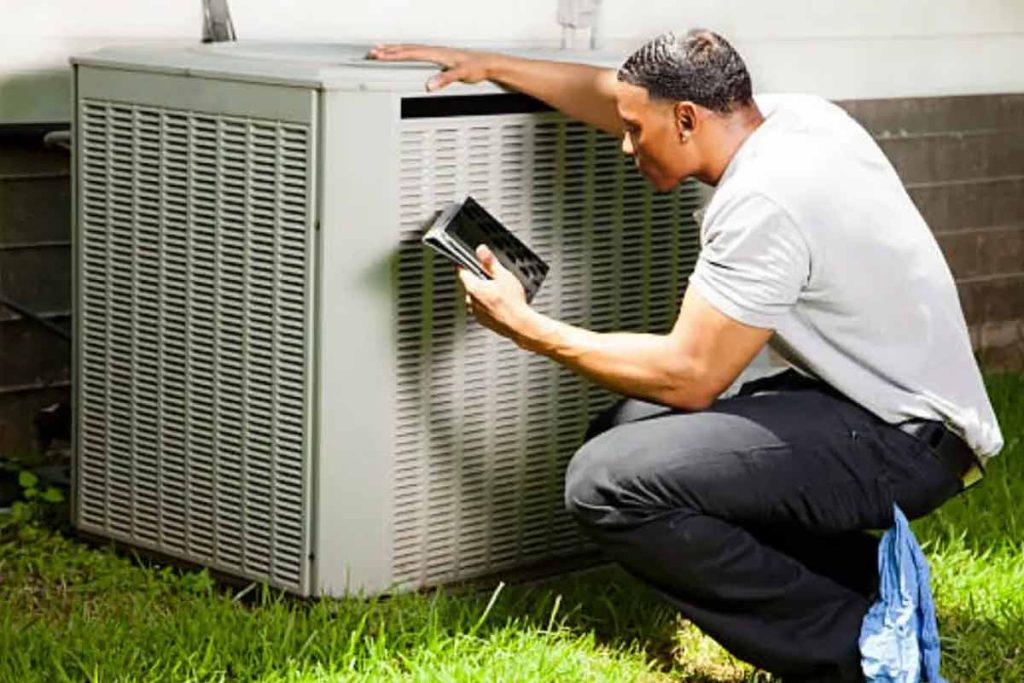
A simple request for a heat pump turned into a wake-up call. After three contractors proposed undersized systems for a 2,400-square-foot house, a Canadian homeowner asked why. Commenters answered bluntly: some practices haven’t evolved. Several insisted a right-sized unit can carry the load, even in deep cold. One reminder cut through the noise: pick modern solutions, not habits rooted in old HVAC playbooks. The thread’s message was clear, practical, optimistic.
Sizing mistakes many HVAC contractors still make
On r/heatpumps, a Canadian homeowner met three contractors who all recommended heat pumps too small for a 2,400-square-foot home. They suspected the installers assumed a gas furnace would take over when temperatures fell below freezing, since gas prices are attractive. The homeowner wanted a replacement, not a fallback.
Replies poured in. One voice called the pattern “the dinosaurs of the industry showing their age,” capturing frustration with outdated rules-of-thumb. Another cut the doubt short: “You can meet all your heating needs with a heat pump.” Together the comments reframed the decision as design, not faith.
That advice challenged a quiet bias inside HVAC culture: sizing to legacy assumptions rather than today’s equipment. Cold-climate models hold steady capacity in winter, yet sloppy estimates still creep in. Homeowners should insist on data-driven proposals that reflect square footage, envelope quality, and local weather, not guesswork.
How heat pumps warm homes without burning fuel
Heat pumps do not create heat; they move it. Like a refrigerator in reverse, a compressor captures low-grade warmth from outdoor air and lifts it to a useful temperature inside. Because the system relocates energy rather than making it, electricity goes further, especially in efficient, well-sealed houses.
Modern models often keep working in sub-freezing weather, although efficiency drops as temperatures fall. Performance depends on the home’s envelope and ductwork, as well as the unit’s cold-climate rating. When sized and installed correctly, the result is steady, even heat and quiet operation without combustion or flue gases. As one commenter put it, “No question whatsoever.”
This is why many teams in HVAC push electrification. Moving heat avoids on-site emissions and shrinks exposure to fuel volatility, while smart thermostats and variable-speed compressors smooth demand. The same hardware also provides high-efficiency cooling, so a single appliance can replace a furnace and an air conditioner.
Comparing installers the smart way with HVAC tools
Upfront cost feels murky because quotes vary widely. EnergySage’s free Heat Pump Marketplace helps by collecting estimates from multiple vetted installers. Side-by-side comparisons clarify equipment options, warranties, incentives, and financing so homeowners can match comfort goals, budgets, and timelines without hours of phone calls.
Transparent bids also surface critical design choices: outdoor unit size, compressor type, and whether ducts need sealing. Good proposals show load calculations, winter design temperatures, and scopes. Teams that skip those basics usually underdeliver when cold snaps arrive, which is exactly what the Reddit thread warned against. Clear paperwork speeds approvals.
As you review proposals, ask each HVAC contractor to document Manual J load calculations and cold-climate performance data. That proof ties sizing to your home’s heat loss, not a rule-of-thumb. It also ensures the promised efficiency—and the monthly bill savings—materialize after installation, not only on paper.
Pairing heat pumps with rooftop solar in cold climates
The thread highlighted another savings lever: pair the heat pump with rooftop solar. Panels still generate electricity on cold or cloudy days, and cooler air can even boost cell efficiency. Together, steady winter output and summertime surplus can offset much of a household’s annual heating and cooling demand.
EnergySage supports solar shopping with free tools and vetted installers. According to EnergySage, homeowners can save up to $10,000 by comparing quotes and incentives. Results vary by region. Combined benefits reduce exposure to utility rate swings and make electrification work meaningfully without sacrificing comfort.
A balanced plan considers roof condition, breaker capacity, and future loads such as EV charging or an HVAC upgrade. When installers size solar with those additions in mind, homeowners avoid costly repeat work later. Financing can then map to expected savings so cash flow stays predictable from the first month.
Credits, rebates, and what’s changing for electrification
Commenters flagged incentives. They noted some eco-friendly credits and rebates, including the federal solar tax credit, are slated to sunset year’s end, which raises urgency for shoppers. However, they added other programs would remain available for appliance upgrades, easing the path for heat pump adoption.
In practice, offers vary by location and program rules, so timing and eligibility matter. Stacked rebates with a utility bill credit can trim upfront costs and smooth cash flow. Because paperwork takes time, choose installers who clearly document model numbers, capacities, serials, and commissioning dates required by applications.
Many HVAC teams now package guidance on incentives with their quotes. The best include links to federal, state, and local resources and outline which steps occur before, during, and after installation. That support prevents missed windows and helps homeowners realize the savings the thread discussed, not just expect them.
Why the right plan beats old habits every time
The Reddit exchange was not a rant. It was a roadmap: insist on proper sizing, require clear data, compare quotes, and electrify with confidence. Cold-climate heat pumps, paired with fair incentives and solar where it fits, can replace combustion. Ask for load calculations and read performance tables. With the right HVAC partner, you trade guesswork for comfort, savings, and a cleaner home energy path. The payoff shows up every winter.