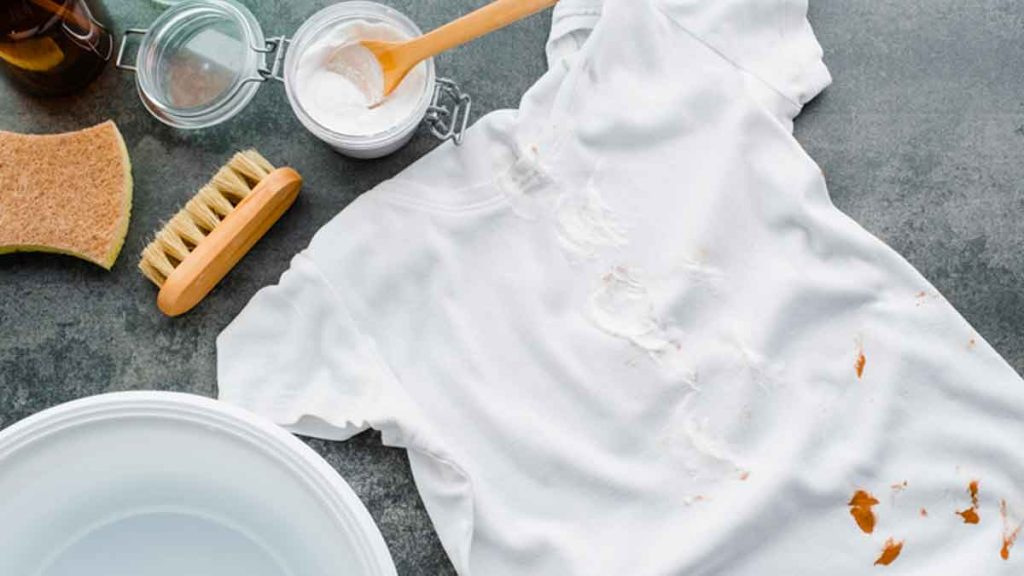
Heat can turn a tiny spill into a stubborn mark, yet your clothes aren’t doomed. With the right steps, you can undo damage after the dryer and save favorites. Start by pausing the dryer, since time matters, then work with smart products and gentle tools. Test hidden seams, choose safe temperatures, and let dwell time do the heavy lifting. This guide keeps things clear, fast, and practical, so set-in stains loosen, lift, and finally wash away.
Why heat sets stains and what to gather first
Heat can drive dyes, oils, and proteins deeper into fibers, so a drum of hot air often locks marks in place. Check garments before the dryer, because repeated washes rarely do more than fade a problem spot. Treat first, then launder, or a set-in mark becomes harder with every cycle.
Work slowly, since fiber care matters as much as speed. Test for colorfastness on an inside seam. Use the hottest temperature your label allows, yet rinse well and air-dry between tries. That pause reveals whether stains have lifted or simply lightened under wet fabric, so you avoid baking residue deeper.
Gather simple tools, so treatment feels easy, not risky. Keep these on hand:
- Color-safe oxygen bleach stain remover
- Laundry detergent
- Toothbrush or small nylon brush
- Drying rack or towel
- Optional: spray stain remover, dish detergent
A small kit prevents delays and builds momentum.
Lift set-in marks with oxygen bleach
Oxygen bleach uses hydrogen peroxide to break down color and soil without chlorine. It comes as liquid or powder and is usually safe on colors. However, avoid wool and silk, and test hidden seams first, since some finishes can spot. Choose a color-safe formula that lists fiber restrictions clearly.
Treat small areas directly. Apply a generous dab of liquid to each spot, or dampen fabric and dust powder. Work the remover into the weave with a soft toothbrush. Wait ten minutes, so chemistry can act. Then, load the washer with your regular detergent on the hottest safe setting.
After washing, skip the dryer. Air-dry on a rack or towel, then inspect in neutral light. If stains remain, repeat the same steps. Partial removal after the first pass is normal, because heat and time hardened soils that now release in layers. Reapply, wait again, and launder once more.
Soak safely for widespread discoloration and tough spots
When fabric looks dingy all over, soaking can outpace spot work. Check the label on your oxygen bleach, then fill a clean sink or tub with hot or warm water as directed. Measure the recommended dose, dissolve it fully, and submerge the garment so solution touches every thread.
Let the bath do the lifting for up to six hours, or the time your label allows. Agitate gently now and then, since movement refreshes solution at the fiber surface. Once the timer ends, drain, press out water, and send the item through a normal wash cycle.
If shadows linger, there is another route. Try a formula that combines oxygen bleach with enzymes, such as Tide Ultra Oxi, because enzymes attack proteins and starches while peroxide tackles color. Together, they often nudge stains that resisted a standard soak, especially on food, wine, and chocolate.
Match chemistry to soil: enzymes, solvents, and oils
Enzymatic laundry detergents break down blood, egg, dairy, and starch-based soils. For set spots, apply a small dab directly. Then, work it in with a nylon brush. Give the product ten minutes to react. So, enzymes digest residue, and wash on the hottest safe temperature recommended by your care label.
Marker and pen behave differently. Blot ink and permanent marker with rubbing alcohol or acetone before detergent, since solvents dissolve dyes that water cannot. Rinse away the solvent fully, then spot-treat with detergent and brush lightly. Air-dry to judge progress, because the dryer may lock any faint halo.
Grease needs a degreaser. A plain, grease-cutting dish soap, like blue Dawn, excels, yet skip soaps with lotion, which can redeposit. Work in a drop, let it sit briefly, then rinse well and launder hot. Repeat if stains from oil still show after drying flat on a towel.
When sprays and pros make the difference for stains
Prefer sprays for quick, even coverage. Choose a heavy-duty pre-treater, such as OxiClean MaxForce, rather than a basic spray. Saturate each spot completely, wait ten minutes for mild cases, or leave it longer for stubborn soil. Then wash with regular detergent on the hottest temperature your fabric permits.
For severe marks, patience pays. Some sprays allow extended dwell times, even up to a week per label directions, so chemistry keeps working while you wait. Between checks, keep items out of the dryer and sunlight, then launder again and air-dry, because gentle cycles plus time beat rushed repeats.
Know when to hand it off. Silk, wool, and cashmere belong with a dry cleaner, since professional solvents protect delicate fibers. Pros also save items with paint or heavy ink after assessment and testing. Seek help quickly if stains sit, because time, pressure, and heat make removal harder.
A simple plan to rescue favorites
Set-in marks are stubborn, yet careful steps shift the odds. Test for colorfastness, choose the right chemistry, and let dwell time work before a hot, label-safe wash. Air-dry, evaluate in daylight, and repeat calmly if needed. Escalate to sprays or professional care when fabric or soil demands it. With patience and method, even old stains give way, and trusted pieces return to regular rotation. Your habits improve with practice, so results come faster next time.