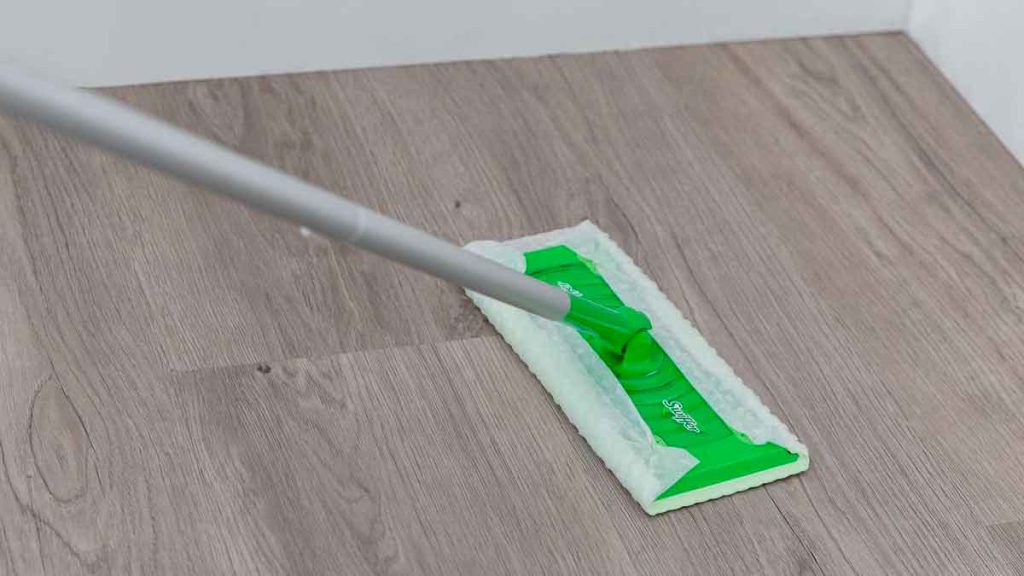
You buy a tool for one job and, years later, it’s doing ten. Released in 2001, the Swiffer Sweeper earned its place on hardwood and tile; however, its real value shows up everywhere else. Because the head pivots, the cloths hold dust, and the handle reaches high, it becomes a nimble helper. The result is faster upkeep, less mess spread around, and fewer ladders dragged from storage. Here are smart, low-effort ways to put it to work beyond floors, with small tweaks that pay off daily.
Clean Electronics With The Swiffer Sweeper
Static pulls dust to screens, so a dry cloth glides across TVs, monitors, and tablets without streaks. Move lightly from top to bottom, then trace edges where lint gathers. Skip pressure; let the fibers lift particles instead.
For keyboards and speakers, fold the cloth into a finger-sized pad and pass between keys and grilles. Keep liquids off ports, avoid alcohol on coatings, and finish with a short swipe across remotes and game controllers.
Clean Vents And Air Duct Registers
Return grills trap lint that recirculates allergens. Pop off the cover, then run a dry cloth along each fin and around the frame. Because the head is slim, it reaches inside without bending blades or leaving fibers behind.
Afterward, lightly mist a fresh cloth and wipe the wall around the vent to grab black dust halos. Replace filters on schedule; cleaner registers plus fresh filters help airflow, steady temperatures, and quieter fan cycles.
Clean Baseboards Without Kneeling
Baseboards catch hair and grit that brooms fling. Tilt the head vertical, press gently, and slide along the trim. The cloth’s edges wrap the profile, so grooves and caps come clean as you walk the room.
A single pass lifts debris; a second with a damp cloth erases scuffs. When corners trap fuzz, pinch the cloth and trace the edge. For speed on whole levels, clip on a fresh pad to the Swiffer Sweeper midway.
Dust Blinds And Curtains Fast
Slats act like dust shelves. Close them, sweep horizontally, then reverse and repeat. The pivoting head keeps contact, so you don’t crush vanes or twist cords. Because the cloth grabs particles, less dust drops onto sills.
For curtains, support the fabric with one hand, then sweep downward in short sections. Focus on hems and pleats where lint hides. If allergy season flares, repeat weekly to keep pollen and pet dander under control.
Clean Mirrors To A Streak-Free Shine
Fingerprints spread every time the light hits. Lightly spritz glass cleaner onto a microfiber, tuck it into the head, and sweep in overlapping strokes. The long handle keeps your reach steady, so edges and tall panels are simple.
When toothpaste dots cling, breathe warm air onto the spot and pass once more. Next, switch to a dry pad and buff in quick zigzags. One final swipe along the frame keeps the Swiffer Sweeper from redistributing moisture.
Prep Walls For Painting With A Swiffer Sweeper
Paint clings better to clean surfaces. Start at the ceiling line and float a dry cloth downward, lifting cobwebs and sanding dust. Because the head swivels, it navigates around trim, shelves, and TV mounts without snagging.
Then, fit a lightly dampened microfiber and repeat. This quick second pass catches fine residue that ruins adhesion. Allow walls to dry completely before taping; the finish lays smoother, rollers stay cleaner, and coverage improves.
Remove Cobwebs From Ceilings And Corners
Spiders favor quiet corners. Extend the handle, angle the head, and sweep the junction where wall meets ceiling. The cloth collects strands so they don’t drift elsewhere. Work clockwise so you never miss a corner.
For textured ceilings, dab rather than drag to avoid shedding. Shift furniture a step out to reach behind lamps and curtain rods. A single weekly circuit keeps webs from thickening and saves deeper scrubbing later with the Swiffer Sweeper.
Dust Your Car’s Interior Between Washes
Cabins collect fine road dust. Wrap a dry cloth snugly, then pass across the dash, vent louvers, and console seams. Because fibers trap particles, buttons and screens stay clean longer and don’t smear like they do with paper.
Move to door pockets and handles, then finish with the gauge hood where glare shows specks. Keep a spare cloth in the glove box; a one-minute dust-down after fueling keeps interiors tidy without a full detail.
Dust Light Fixtures And Shades
Fixtures pull bugs and dust toward warm bulbs. Power off, allow to cool, then support the shade with one hand while sweeping with the other. The head’s flat profile hugs edges and trims without knocking glass.
For fabric shades, move gently to prevent distortion. Trace the top rim, harp, and finial where lint nests. After a pass, shake the cloth outdoors and continue. A quick wipe keeps light bright, reading easier, and glare reduced with the Swiffer Sweeper.
Clean Ceiling Fans Without A Ladder
Fan blades shed dust the moment they spin. Extend the handle fully, place the head flat on a blade, and pull toward you. The cloth wraps both sides, so grit doesn’t fall onto furniture or the floor.
Rotate the fan between strokes, then pass the motor housing and pull chain. If buildup is heavy, follow with a damp pad for stubborn film. Because this takes minutes, it’s easy to add to monthly routines with the Swiffer Sweeper.
Keep One Tool Doing More Work, With Less Effort
Versatility is why this tool stays in reach: it tackles static-prone screens, trim, vents, and high corners without harsh scrubbing or acrobatics. Fit the task, change the cloth, and move on. Because results show fast, the habit sticks. And when the jobs shift, the Swiffer Sweeper pivots—so your home stays cleaner with less fuss, less dust scatter, and fewer supplies to manage.